
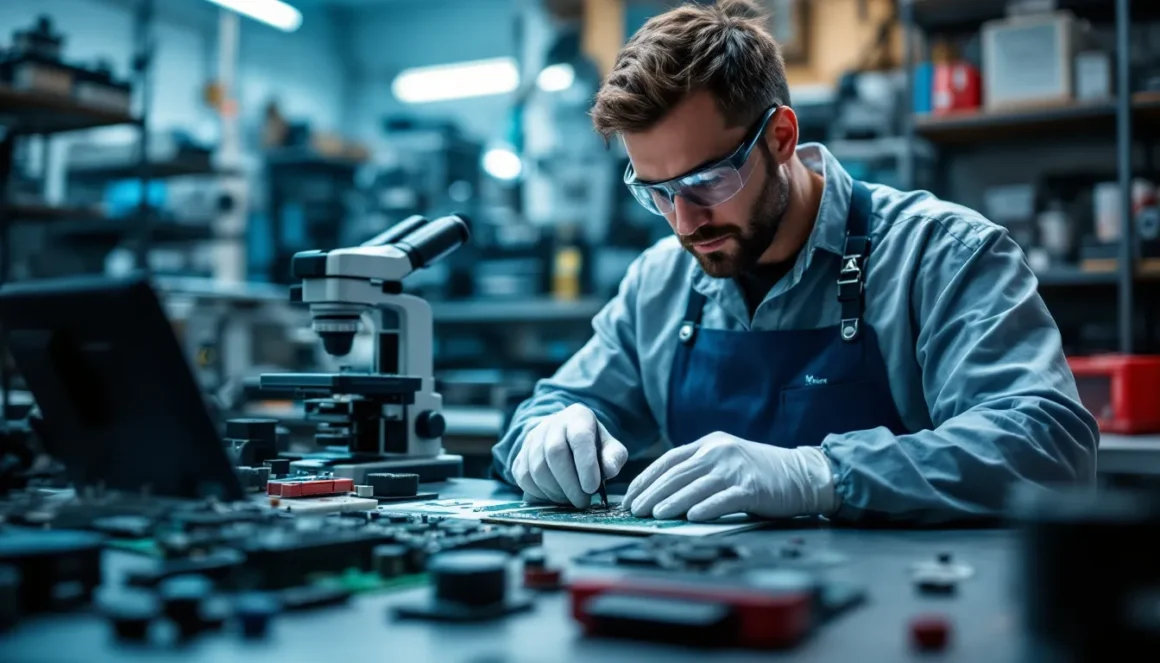
The Nintendo Switch revolutionized portable gaming when it launched in 2017, but for many enthusiasts, the out-of-the-box experience is just the starting point. Switch modding services have exploded over the past few years, transforming the handheld into a powerhouse of customization. Whether you’re chasing enhanced performance, expanded game libraries, or simply a console that looks and feels uniquely yours, professional modding offers solutions that DIY attempts often can’t match. This guide walks through everything you need to know about switch modding services in 2026, from understanding the different mod types to evaluating professional providers and weighing the risks and rewards.
Key Takeaways
- Professional switch modding services handle technical work ranging from custom firmware installation to hardware chip modifications, offering warranties and post-service support that DIY attempts typically lack.
- A reputable switch modding service should demonstrate a strong track record, detailed portfolio, clear warranty terms (typically 30-90 days), and transparent pricing breakdowns before committing your console.
- Custom firmware installations like Atmosphere unlock homebrew apps, game patching, and emulation, but void your Nintendo warranty and carry legal risks if used for piracy instead of legitimate personal use.
- Hardware mods such as modchips and battery upgrades require specialized soldering equipment and professional expertise—choosing professional modding over DIY significantly reduces the risk of damaging expensive motherboards worth $150+.
- Regularly update your custom firmware, clean your microSD card periodically, and monitor battery health to maintain long-term stability and performance of your modified Switch.
- Modifying your console for personal use exists in a legal gray area, but using it to pirate games is copyright infringement; ensure you understand the distinction before pursuing switch modding services.
What Are Switch Modding Services?
Switch modding services are professional operations that modify Nintendo Switch consoles to unlock features, improve hardware, or customize aesthetics. These services range from one-person operations to established shops, each offering different specialties and quality levels.
A modding service typically handles the technical work that goes beyond casual tinkering. They’ll disassemble your console, install custom chips or firmware, and reassemble everything with precision. Some services focus exclusively on software modifications, while others specialize in hardware surgery. The goal is always the same: delivering a modified console that functions reliably and meets the customer’s specific needs.
The scale of these services has grown significantly. What was once a niche hobby has become an industry segment, with professional modding shops handling thousands of units annually. Many operate with turnaround times measured in days or weeks, not months. They typically offer warranties on their work, handle shipping logistics, and provide post-service support, things you won’t get if you brick your Switch attempting a DIY mod.
Types Of Switch Modifications Available
Firmware And Software Mods
Software modifications are the gateway drug to Switch customization. Custom firmware (CFW) like Atmosphere is installed on your console, replacing or supplementing Nintendo’s official operating system. This unlocks homebrew applications, custom themes, save management tools, and, most controversially, ROM loading from custom launchers.
These mods don’t require opening your Switch. They rely on software exploits or, in some cases, modchips that enable CFW from the factory. The appeal is massive: users can back up their game libraries, use emulators, and experiment with tools that Nintendo explicitly doesn’t allow. But, firmware mods carry warranty risks and terms-of-service implications that we’ll explore later.
Most professional services offering CFW installation use exploit-based methods on certain Switch revisions (early V1 models are the gold standard) or install modchips that bypass security entirely. The installation itself is relatively risk-free when handled professionally, the bigger risk is what you do with the modded console afterward.
Hardware Mods And Chip Installations
Hardware mods are the heavy artillery. They involve physically installing chips inside your Switch to unlock capabilities that software alone can’t touch. The most common is the modchip, which either replaces or supplements the security processor, allowing the console to run any firmware or software.
Chip installations require serious technical chops. The Switch’s internals are compact, and modchips are soldered onto tiny traces on the motherboard. A professional service has the right equipment, microscopes, soldering irons with precise temperature control, and experience reading circuit schematics. A slip of the soldering iron can fry a motherboard worth $150+.
Other hardware mods include custom daughterboards for wireless controllers, battery upgrades that boost capacity, and performance-enhancing modifications that adjust power delivery. Some services even install custom audio hardware or modify the display connector for compatibility with different screens.
Cosmetic And Shell Customizations
Cosmetic mods are where artistry meets engineering. This includes replacing the plastic shell with aftermarket housings in custom colors or finishes, custom button kits in various materials and colors, and even LED underglow or replaceable shell lighting.
While less technically demanding than chip installation, quality cosmetic work still requires precision. A professional service will ensure buttons feel responsive, the shell snaps together without gaps, and any electrical modifications (like LED kits) don’t interfere with the console’s function. Cheap cosmetic work results in loose joysticks, rattling shells, and buttons that feel mushy.
Many gamers combine cosmetic and functional mods. A modded Switch with a custom shell, new buttons, and enhanced performance looks and feels like a totally different device. This is where the real magic happens, your console becomes a true reflection of your gaming style.
Choosing A Professional Modding Service
Reputation And Experience
Not all modding services are created equal. The difference between a reliable shop and a rip-off operation often comes down to reputation and track record.
Start with online communities. Reddit’s r/SwitchModding, Discord servers dedicated to Switch customization, and gaming forums all host discussions about specific services. Look for detailed reviews, not just ratings. A five-star review that says “great service” tells you nothing: a four-star review explaining exactly what went wrong is infinitely more valuable.
Check how long the service has been operating. A shop that’s been modding Switches since 2019 has encountered almost every problem imaginable and has systems to handle them. A startup service might offer lower prices, but they lack the institutional knowledge to recover gracefully when something goes wrong.
Portfolios matter too. Many professional services showcase before-and-after photos of completed work. High-quality cosmetic mods show clean seams, perfect button fitment, and professional finishing. If a service’s photos look sloppy, their hands-on work probably is too.
Warranty And Service Guarantees
This is non-negotiable. A reputable modding service stands behind its work with a warranty. Typical coverage includes 30-90 days of parts and labor, meaning if a modchip fails or buttons become unresponsive within that window, the service fixes it free.
Read the fine print. Does the warranty cover software issues, or just hardware? Are you covered if you accidentally corrupt your custom firmware? Some services exclude issues caused by user modifications after delivery, which is fair, they can’t be responsible if you mess with their work.
Turnaround guarantees matter too. A service that promises a two-week turnaround but takes six weeks without communication is a red flag. Reliable shops either deliver on their promises or proactively update customers with delays and reasons.
Pricing And Turnaround Time
Pricing varies wildly depending on what you’re getting done. A simple CFW installation might run $50-150, while a full hardware modchip installation with custom shell and buttons could hit $400-600. Don’t automatically assume the cheapest option is bad or the most expensive is best, there’s a middle ground where you get quality work at reasonable cost.
Evaluate the price breakdown. If a service won’t tell you what each component costs, that’s sketchy. You should know what you’re paying for: the chip itself, installation labor, shipping, and any customization.
Turnaround time also affects value. A service promising a 5-day turnaround will likely charge more than one offering 3-4 weeks. For most gamers, the longer timeline is fine if the price is right. But if you’re modding a console for a specific event or deadline, the premium for faster service might be worth it. Match the turnaround to your needs rather than always chasing the fastest option.
Common Switch Mods Explained
Jailbreaking And Custom Firmware
Jailbreaking and custom firmware (CFW) installation are often used interchangeably, though they’re technically different. Jailbreaking refers to removing software restrictions that prevent you from running unauthorized code. Custom firmware is the actual software that replaces Nintendo’s OS.
Atmosphere is the dominant CFW in 2026. It’s open-source, actively maintained, and compatible with most Switch revisions. Once installed, Atmosphere gives you access to:
- Homebrew launcher: Apps and games not sold on the eShop
- Save management tools: Backing up, editing, and restoring game saves
- Game patching: Installing texture packs, translation mods, and quality-of-life tweaks
- Emulators: Running NES, SNES, Genesis, or even Dreamcast games on your Switch
- Custom themes: Replacing the default Switch UI theme with user-created designs
The installation method depends on your Switch’s hardware revision. V1 Switches (manufactured before mid-2018) have exploits that allow jailbreaking without opening the console. Newer revisions (V2, OLED) require modchips for full CFW access. A professional service knows which exploit or chip is right for your hardware.
One critical point: CFW installation voids your Nintendo warranty and technically violates the terms of service. We’ll dig into the legal implications later, but know that going this route has consequences.
Battery Upgrades And Performance Enhancements
The Switch’s original battery has limited capacity, around 4310 mAh. Upgraded batteries from third-party manufacturers offer 5000-6000 mAh capacity, extending play sessions by 30-50% depending on what you’re playing.
A professional battery upgrade involves opening the console, carefully disconnecting the original battery, and soldering a new one in place. It’s straightforward compared to chip installation, but solder joints still need to be clean to avoid power delivery issues.
Performance enhancements are trickier. The Switch doesn’t have the kind of overclocking potential that other consoles do, the GPU and CPU are baked into the SoC (System-on-Chip). Some services offer voltage adjustments or enhanced cooling solutions to improve thermal performance and reduce throttling under sustained load. These mods are niche and carry more risk: they require deep hardware knowledge and aren’t offered by every professional service.
Button Customization And Stick Replacements
Joy-Stick drift is one of the Switch’s most notorious hardware problems. The analog sticks wear out quickly, and Nintendo’s replacements are expensive. Professional modding services offer stick replacements using higher-quality third-party alternatives or even Hall-effect sticks that don’t drift.
Button customization goes deeper than just replacing sticks. Services can install:
- Mechanical buttons: Offering tactile feedback similar to arcade buttons
- Custom button caps: Different shapes, textures, and colors
- Button rebinding hardware: Allowing you to reassign button inputs via a modchip
- LED backlit buttons: Adding underglow or internal lighting
Quality matters here. Cheap replacement sticks and buttons feel mushy or stick. Professional-grade alternatives from manufacturers like Extreme Rate or Brawler’s Paradise feel responsive and durable.
Many gamers combine stick replacement with a custom shell swap. The result is a console that not only looks custom but feels significantly better to hold and play with.
Potential Risks And Legal Considerations
Warranty Voiding And Device Compatibility
Modding your Switch voids Nintendo’s warranty. Full stop. If your console develops hardware issues after modding, Nintendo won’t service it. Some modding services offer their own warranties to partially offset this risk, but you’re not covered by the manufacturer.
Device compatibility can also become an issue. Certain games employ anti-piracy or anti-cheating software that detects modified firmware. The Switch’s online features, multiplayer, cloud saves, and the eShop, can be restricted or disabled if detected on a modded console. You won’t necessarily get banned for a single modded session, but persistent online use with pirated content or cheats greatly increases the risk.
Hardware compatibility problems are rarer but real. A modchip that works flawlessly with Atmosphere might cause issues if Nintendo releases a console update that breaks compatibility. Professional services track these issues and usually issue firmware updates to address problems, but you’re dependent on the modding community for support rather than the manufacturer.
Legality And Terms Of Service Compliance
This is the elephant in the room. Installing custom firmware isn’t illegal in most jurisdictions (the US, Canada, UK, and most of Europe have legal carve-outs for right-to-repair and personal use). But, using that modded firmware to run pirated games absolutely is illegal in virtually every country. Copyright infringement is copyright infringement, whether you’re downloading ROMs on your PC or loading them on a modded Switch.
Nintendo’s terms of service prohibit:
- Installing custom firmware or operating systems
- Using unauthorized hardware modifications
- Distributing or launching pirated content
- Circumventing security features
Violating ToS doesn’t make you a criminal, but it does give Nintendo grounds to ban your account, remove access to your digital library, and potentially pursue legal action for repeated or egregious violations. The company has been aggressive about pursuing modding services and high-volume pirates, though individual gamers running homebrew software have largely flown under the radar.
The moral and legal line is: modifying your console for personal use is in a gray area: using it to pirate games is not. If you’re modding to use emulators for abandonware or running homebrew, you’re on firmer legal footing. If you’re modding to skip paying for Zelda and Mario games, you’re committing copyright infringement, and no modding service can protect you from that consequence.
Many gamers justify console modding as a right-to-repair issue, and that argument has merit. But justification doesn’t change the legal reality: Nintendo’s intellectual property is protected by law, and knowingly circumventing those protections has consequences.
DIY Modding Versus Professional Services
When To Choose Professional Modding
DIY modding is tempting, it’s cheaper, and you maintain complete control. But it also carries serious risks, especially for hardware mods. The decision eventually comes down to your skill level, equipment, and risk tolerance.
Choose professional modding if:
- You’re installing a modchip: Soldering onto a tiny board under microscope magnification requires specialized skills and equipment. One trembling hand can destroy a $150+ motherboard.
- You need reliability: A professional service has tested their process thousands of times. They know exactly what can go wrong and how to prevent it. They also have replacement parts on hand if something fails.
- You want a warranty: If the service fails and you’re out $400, a warranty actually matters.
- You value your time: Sourcing parts, learning the process, and actually performing the mod might take weeks of research and hands-on work. A professional does it in days.
- You’re modding an OLED or V2 Switch: Newer revisions don’t have software exploits, so CFW requires chip installation. This isn’t a beginner task.
Professional services shine when the stakes are high. A $60 mistake during DIY mod is frustrating: a $400 mistake on a console you’ve already paid $300+ for is catastrophic.
Tools And Resources For Independent Modders
If you’re set on DIY modding, you’ll need more than YouTube tutorials. Research communities like Nexus Mods for modding guides and tools, and platforms like Nintendo Life for Switch-specific news and community discussions.
For CFW installation on hackable Switch models, you’ll need:
- A computer with USB-C: To transfer files and exploit the Switch
- MicroSD card: For storing the exploit payload and CFW files (128GB+ is ideal)
- Software tools: Exploit launchers like TegraRcmGUI and CFW installers like Hekate
- Patience and careful attention to instructions: One wrong step can brick your console
For hardware mods, the equipment list grows exponentially:
- Soldering station: With adjustable temperature control and a fine-tip iron
- Microscope or magnifying glass: For seeing the tiny components and solder joints
- Multimeter: For testing electrical connections
- Flux, solder, and desoldering wick: Consumables you’ll go through quickly while learning
- Replacement parts: Extra modchips, batteries, and buttons in case you destroy them
- Thermal paste: For resealing components and managing heat
The learning curve is steep. Soldering skill takes months to develop, and you’ll likely ruin a few components before getting it right. Online communities like r/SwitchModding offer guidance, but they can’t hold your hand through the process.
Resources worth checking out include How-To Geek for detailed hardware installation guides and gaming tech tutorials. These platforms break down complex processes into digestible steps, though they’re geared toward more experienced modders.
Maintaining Your Modified Switch
Regular Maintenance Best Practices
A modded Switch needs care to keep running smoothly. Unlike a stock console, which you can largely ignore, a modified device with custom firmware and hardware changes requires some attention.
Keep your CFW updated. The Atmosphere team releases updates every few weeks, fixing bugs, improving compatibility, and addressing security issues. Use the built-in updater or manually download the latest release. Staying current prevents compatibility problems with new games and exploits.
Clean your microSD card periodically. Over time, you’ll accumulate old game dumps, failed installations, and corrupted files. A bloated card can cause slowdowns or instability. Every few months, back up your most-used content, reformat the card, and reinstall your core files.
Monitor battery health if you’ve upgraded the battery. Modern Switches can track battery cycle count, and third-party batteries degrade like any lithium cell. After 500-700 charge cycles, capacity drops noticeably. It’s not catastrophic, but you should plan for eventual replacement.
Dust and heat are enemies of electronics. Keep your Switch in a clean environment, ensure the air vents aren’t blocked, and avoid gaming in extremely hot conditions. Modchips and upgraded batteries generate slightly more heat than stock components, so thermal management matters more.
Troubleshooting Common Issues
Most problems with modded Switches fall into predictable categories. You won’t need professional help for most of them.
Custom firmware won’t boot: Usually caused by a corrupted CFW installation or a problem with your microSD card. Solution: Reformat the card, redownload the latest CFW, and reinstall from scratch. This fixes 90% of cases.
Games crash or are unstable: Often due to an outdated CFW version or incompatibility between your game dump and the system. Keep Atmosphere updated and verify your game files aren’t corrupted. Some games have specific CFW patches available from the community.
Save data is lost: This is rare with professional installations but can happen if the battery was removed improperly. If you haven’t modified the console yourself, contact the modding service, this should be covered under warranty.
The console won’t connect to WiFi or Bluetooth: Suggests a hardware issue with the WiFi/Bluetooth module, unrelated to CFW. This would require professional diagnostics. If it started after modding, the service may have accidentally damaged a component during installation.
Joy-Stick drift returns quickly: Third-party replacement sticks wear out faster than original hardware in some cases. If you’re experiencing this, contact the service. They may offer a warranty replacement or recommend a higher-quality alternative stick.
Overheating or unexpected shutdowns: A sign that thermal paste wasn’t applied correctly during installation or that the console is in a hot environment. Ensure proper ventilation and consider having the service reapply thermal paste.
For most troubleshooting, community forums and Discord servers are your first stop. The modding community is generally helpful, and you’ll find others who’ve solved the same problem. Only escalate to the modding service if a standard fix doesn’t work.
Conclusion
Switch modding services have matured into a legitimate option for gamers seeking customization, enhanced features, and greater control over their hardware. Whether you’re chasing custom firmware for homebrew and emulation, upgrading battery life, or transforming your console’s look with custom shells and buttons, professional services offer reliability and expertise that DIY modding often can’t match.
The decision to mod comes with tradeoffs. You’re voiding your warranty, entering legal gray territory (especially about piracy), and trusting your expensive hardware to someone else’s hands. But if you choose a reputable service with solid reviews, clear warranties, and transparent pricing, the benefits often outweigh the risks.
Before committing, research your specific service thoroughly. Read detailed reviews, check their portfolio, and understand exactly what you’re getting. Clarify the warranty terms and don’t hesitate to ask questions. A professional service should be happy to explain their process and address concerns.
Whether you go professional or DIY, stay informed about the legal and technical landscape. The modding community evolves constantly, with new exploits, firmware updates, and Nintendo countermeasures emerging regularly. Tools like Modding Archives at Geekforcenetwork provide up-to-date information on what’s possible and what’s worth pursuing. Similarly, exploring resources about unlocking your gaming potential can help you understand the full scope of customization options available.
Your modded Switch should be a tool that enhances your gaming, not a source of stress or regret. Choose wisely, maintain carefully, and enjoy a console that’s truly yours.