
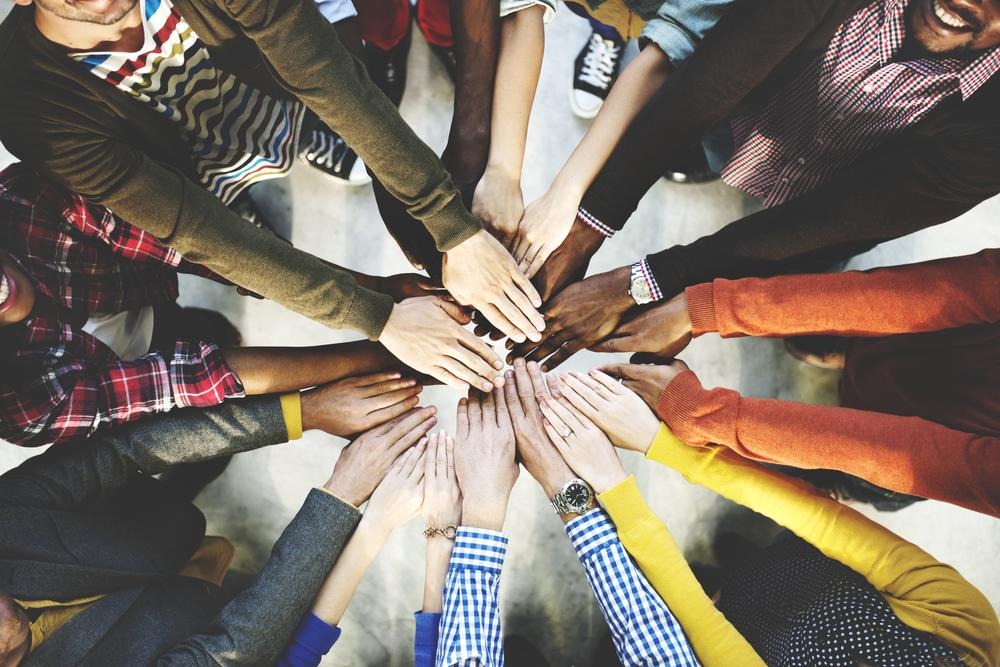
The internet once promised global connection — but for many years, it often made people feel alone. Social media became a noisy space filled with likes and shares instead of real conversation. But now, things are changing.
A new wave of digital communities is bringing people closer again — helping them build local ties, share real experiences, and support each other in meaningful ways. Today, online spaces are not only for scrolling — they are becoming digital neighborhoods where people reconnect, collaborate, and grow together.
From Global Noise to Local Belonging
In the early days of social media, “reach” was everything. The more followers, the better. But this obsession with numbers took away the feeling of intimacy. Big platforms encouraged endless posting and attention-chasing, which made many users feel ignored or invisible.
Now, people are looking for something more grounded — smaller, friendlier, and more familiar spaces. This shift is called “digital localization,” and it’s changing how people interact online.
The Rise of Local Digital Spaces
We now see a return to community-focused platforms across the internet. Instead of chasing celebrities, users are joining local groups, city forums, and hobby-based networks. For example:
- Local Facebook groups where neighbors share safety updates and resources
- Community newsletters that highlight local artists, farmers, or small businesses
- Online marketplaces connecting buyers and sellers in nearby areas
- Creator-led communities centered around shared interests or culture
In these smaller spaces, “people’s voices” rise above the noise — to give advice, help neighbors, organize meetups, or recommend local services. The goal is no longer broadcast — it’s belonging.
The New Definition of Community
In the past, “community” meant the people who lived near you. Now it also means people who share the same values, goals, or interests.
Digital platforms help build these new bonds. A baker in one city can share recipes with peers worldwide. A teacher can run free online classes for local students. A musician can reach fans in nearby cities and invite them to a show.
How Digital Tools Redefine Community
Modern digital communities bring people together in open, action-focused ways. These spaces become safe zones for discussion, creativity, and support.
Local leaders, creators, and small businesses use these platforms to:
- Support food drives, school events, or clean-up days
- Promote hybrid events like art fairs, meetups, and workshops
- Collaborate on awareness campaigns and local causes
This creates what experts now call a “micro-community” — a small but powerful group with real-world impact. These groups live online, but their presence is felt in parks, coffee shops, and classrooms.
Turning Online Audiences Into Real-World Advocates
The most valuable digital communities don’t stop at comments or shares — they lead to action.
Creators, entrepreneurs, and small business owners now use online tools to inspire regional change. A post might launch a campaign to fund a local shelter. A short video could lead to a group cleaning a neighborhood park. What starts as a comment thread becomes real-world momentum.
How OnlyMonster.ai Helps Build These Communities
One of the platforms helping support this kind of connection is OnlyMonster. It’s a CRM and download-based browser built for creators, entrepreneurs, and fan-focused businesses.
OnlyMonster helps users:
- Manage followers
- Track fan conversations
- Monitor and optimize fan engagement
What makes this type of tool valuable is that it gives creators full control. Instead of relying on third-party platforms, they can plan, respond, and build trust all in one place. OnlyMonster turns digital interaction into a system — so creators can grow community and inspire action more easily.
How Technology Is Humanizing Connection Again
The tech world is slowly learning something important: it’s people, not numbers, that truly matter.
Recent trends focus on honesty, empathy, and shared experience — not empty engagement.
Beyond Likes and Views
Social media used to be about likes, clicks, and shares. But people grew tired of that. Now, the most successful content is honest, emotional, and relatable.
Examples:
- Local podcasts having real conversations about neighborhood life
- Forums focused on real talk, not ads
- Creators sharing personal stories that inspire, not just impress
When people feel seen and understood, they respond with trust and loyalty. That’s what turns an online audience into a community.
The Psychology of Belonging
The need to belong is part of being human. People feel comfort when they find a space — even a digital one — that reflects their values, background, or hometown identity.
For someone far from home, a local Discord or Facebook group can reduce loneliness. For small business owners, digital communities offer support and feedback. This emotional closeness is not a passing trend — it’s the new heart of digital community building.
The Future of “Local” in a Digital World
The line between online and offline is fading. Tomorrow’s idea of “local” will blend both spaces. It’s not about choosing — it’s about combining. We’re already seeing creative blends of physical and digital interaction:
- Local events livestreamed for remote participation
- Virtual art galleries that later host in-person viewings
- Online classes that lead to real-world meetups or projects
This blended approach is often called “glocal” — a local mindset, powered by global tools. It lets small towns connect with the world, and lets far-away supporters back local causes.
Technology Rooted in Human Connection
As technology becomes more personal, it becomes more human. Developers and creators are now building tools that focus on empathy, not just metrics.
The internet is no longer just a distraction. It’s becoming a place where real connections form and grow.
Imagine digital spaces where creators help reunite lost pets, organize food drives, or host skill-sharing workshops. This is the new local — a space where technology and human care come together.
Why Small Digital Communities Matter
Many people think only big platforms create impact. But in reality, small, focused groups can be even more powerful.
A Facebook group of 500 active members can organize a fundraiser faster than a page with 50,000 silent followers.
Small digital groups allow for:
- Better communication – Everyone has space to speak
- Stronger trust – Members know each other by name
- Faster results – It’s easier to plan and act together
Digital interaction becomes the spark that fuels offline events, partnerships, and community work.
The Role of Creators and Small Businesses
Creators and small business owners play a big role in rebuilding the local community. They bring people together around shared interests — music, wellness, education, food.
By engaging fans online and meeting them offline, they create bonds that last. Dedicated platforms help make this possible. With the right tools, creators can move beyond posts and likes — and build meaningful relationships.
Conclusion
The meaning of “local” has changed for good. It’s no longer about maps — it’s about shared values, trust, and real connection.
Digital communities are not escapes from the real world — they are part of it. They are bridges, linking people who care about the same things. A place to meet, support, and create together.
The new local is not about distance. It’s about belonging. And now, that sense of belonging is just one click away.