
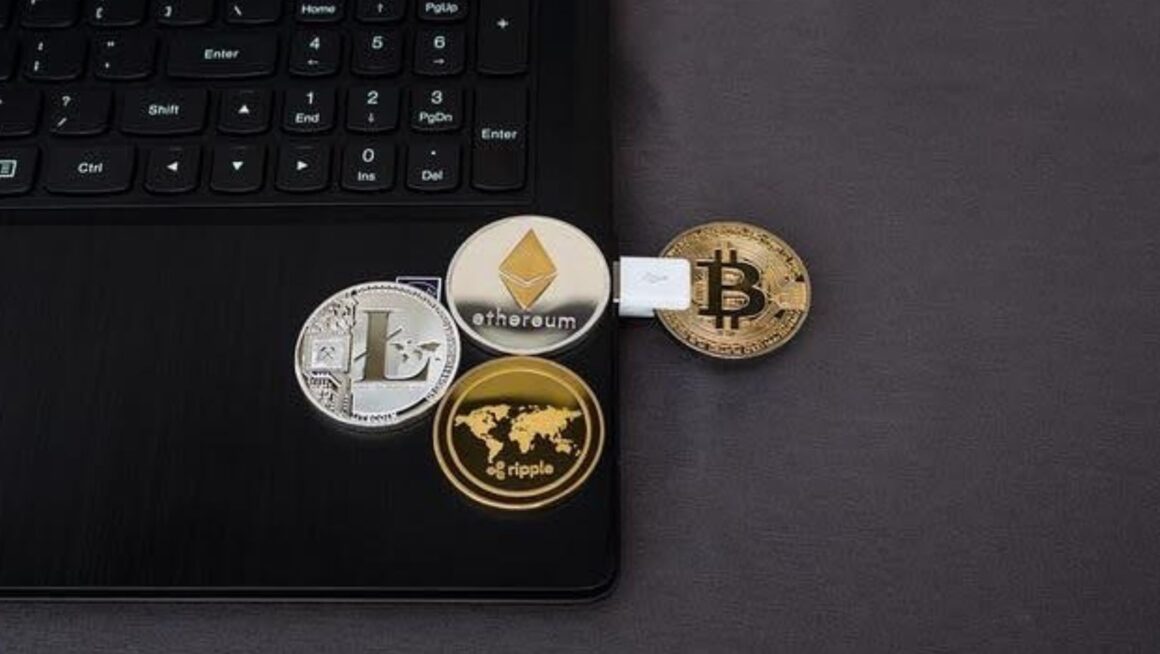
At the beginning, the crypto and games worlds were as far apart as the Sun and the Moon. Now, they’re merging fast. Games such as Pixels, Illuvium, and Big Time have proven that blockchain can be used to augment gameplay without turning them into finance simulators. However, many players still ask themselves what these “GameFi tokens” actually do, and how they affect the way we play.
The Migration of Crypto to Gaming
Over the last few years, cryptocurrency has evolved from a small idea that was available online to one of the most prominent digital trends in the world. What started with Bitcoin and Ethereum quickly developed into a broader ecosystem with new coins popping up every month, each promising faster, safer, or more efficient transactions.
The emergence of stablecoins such as USDT and USDC added stability to the crypto space. Meanwhile, altcoins like BNB, Cardano, and Solana opened the door for developers to build creative blockchain projects. Together, they demonstrated that crypto could be more than just a store of value or a means of exchange; it could be the foundation for online experiences based on transparency and ownership.
This growth naturally attracted the attention of the gaming world, where players were already accustomed to earning, spending, and trading digital currencies. As crypto matured, developers started experimenting with how it could be used to improve those systems. For many early adopters—especially those who preferred to purchase bitcoin without kyc for privacy or accessibility reasons—this evolution felt like a natural extension of decentralized ideals.
With new projects, the crypto-gaming bond continues to grow stronger. This is paving the way for what is now known as GameFi, a convergence of play and value on the blockchain.
What Are GameFi Tokens?
GameFi tokens are the cryptocurrency that drives blockchain games. They are the backbone of each game’s economy, a combination of in-game currency and real-world value.
The majority of games use two types of tokens:
- Utility tokens: Utility tokens can be used to buy upgrades, unlock features, craft, or participate in various in-game activities.
- Governance tokens: These tokens give players a say in the process. Holders play an active role in game development by voting on updates and balance changes.
Take Axie Infinity, a classic example. Players receive SLP for playing, and AXS is used for voting and staking. It’s like you have both a currency and a stock in the game world.
The Different GameFi Models
Not all crypto games have the same system. Developers have tried their hands in new ways to integrate fun and finance.
- Play-to-Earn (P2E): This was the starting point. Players earn tokens for completing missions or winning matches. It became popular through games such as Thetan Arena and Axie Infinity.
- Play-and-Own: In this case, the emphasis is on ownership. Blockchain-based ownership of in-game assets, such as land or skins, can be bought, sold, or traded, just as in traditional gaming. This approach is led by pixels and immutable X games.
- Create-to-Earn: Players earn by creating, be it new maps, mods, or cosmetic items. The Sandwich platform encourages creativity rather than grinding.
These models all aim to give players more control over what they make. The best ones are when the gameplay comes first, and the tokens help it out, not the other way around.
How Tokens Influence Your Playing Style
GameFi revolutionizes the psychology of playing. When all the matches, crafts, and upgrades have a token value, the time spent in-game is different. Some players are like work, and some love the extra incentive.
The risk is that the rewards turn into chores. Games that rely solely on token farming can quickly become boring. The titles that are most well-balanced, such as Pixels or Big Time, are made for enjoyment first. Tokens become a bonus and not a burden.
Good token design gives meaning without coercion. It allows players to have ownership and progress that extends beyond the screen.
From Game Time to Real Value
The most significant change with GameFi is what happens when you log out. Unlike coins, tokens can move out of the game and into your crypto wallet. Players trade them for other assets, use them to earn passive income, or purchase more in-game items.
Blockchains like Polygon, Ronin, and GalaChain have become home to booming gaming markets. Items may sell in seconds, and trading occurs worldwide. For some gamers, this has turned gaming into a side hustle, but not without risks.
Token values fluctuate based on player demand, developer activity, and broader cryptocurrency trends. That means that today’s powerful weapon may lose its value tomorrow.
The Risks and Pitfalls
GameFi’s growth also came with problems. Many early projects offered huge returns but failed to deliver on them. When too many players cashed out and too few came in, the price of tokens crashed.
Developers learned the hard way about sustainability. Newer games control token inflation and daily rewards, and focus on fun rather than farming. Still, caution is vital.
Security is another big issue. Fake projects and phishing scams target gamers with promises of quick profit. The best course of action is to use official wallets, verify URLs, and never connect wallets to unknown sites.
What’s Next for GameFi
The future of GameFi is more refined and user-centric. The next generation of crypto games hopes to eliminate the friction that kept casual gamers away.
Expect:
- Skill-based rewards: Earnings based on skills rather than the repetition of the same activities.
- Cross-game items: Items that can be used across compatible worlds.
- AI-driven economies: Balanced token economies that are designed to prevent crashes
Even large studios are quietly experimenting with blockchain elements, not as a novelty but as a means to increase engagement. The focus is moving away from speculation and towards sustainability. Players desire stable worlds they can return to, not token farms that will only last a short period of time.
Why GameFi Tokens Matter
For gamers, the understanding of tokens is not just about making money. It’s about recognizing the new relationship between value, time, and creativity. In traditional games, progress is lost when servers shut down. In GameFi, assets reside on the blockchain and grant players permanent ownership.
When designed correctly, tokens convey a sense of fairness in gaming. When created poorly, they ruin it. The difference is whether developers use tokens to create a better world or to make money yet again.
The sweet spot is prominent: play first, make money second. GameFi is most exciting when it improves gameplay, fairly rewards time, and creates genuine digital ownership.