
The world has gotten a lot more digital, and it’s changed the way we invest. It’s no longer just about stocks, bonds, and maybe a sprinkle of real estate. Money doesn’t sit still in a brokerage account anymore. Now, it flows into blockchains, AI models, and sometimes ends up buying a fraction of a Picasso. Tech pushed these doors open, and investors, especially younger ones, walked right through. And with that shift, the options are getting more interesting by the day.
Tokenized and Fractional Digital Assets
Technology now makes it possible to own just a slice of high-value assets. You can buy pieces of art, collectibles, luxury items, real estate, or even private company shares using digital platforms. These platforms use different technologies. Blockchain keeps ownership secure. Smart contracts automatically handle income like rent or dividends. Then, stablecoins and DeFi let you earn, lend, or borrow without a bank.
The same tech powers Web3, where companies are creating decentralized platforms that could change whole industries. This is why some investors try to find Web3 stocks that give them early access to the companies behind this shift. Together, these tools make opportunities once limited to wealthy or well-connected investors far more open to the general public.
Cryptocurrency
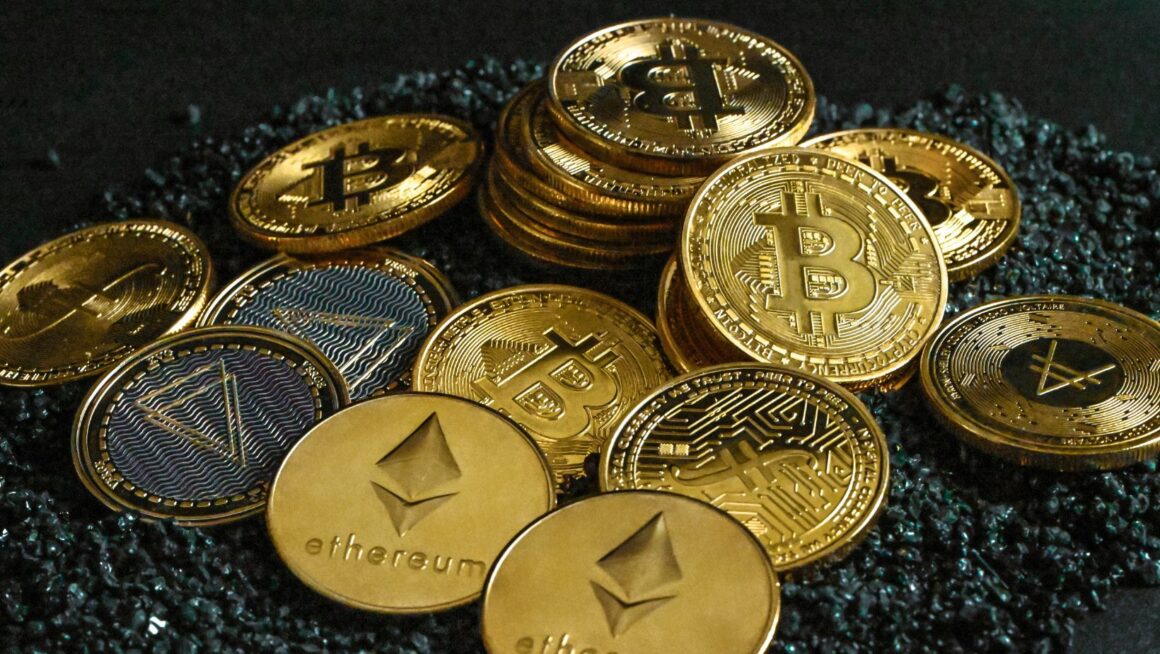
Cryptocurrency has changed how people invest by letting anyone own digital tokens. Built on blockchain, it keeps transactions transparent and secure. Smart contracts can automate payments or income, while decentralized finance lets investors lend, borrow, or earn interest without banks. What used to be a niche investment is now open to everyday investors. Around 590 million people worldwide now own cryptocurrency, showing just how far this market has spread.
The Creator Economy
Millions of creators are now micro-businesses. Fans can invest in creators through revenue-sharing tokens, branded NFTs, or shares of future earnings. Think of it as early-stage investing, except that the startup is a musician, a YouTuber, or a streamer. Value is also based on engagement, content quality, and cultural relevance. For investors, this offers exposure to an asset class outside conventional corporations.
Digital & Virtual Real Estate
Virtual real estate in the metaverse is becoming a real investment opportunity. Big brands like Nike and Adidas buy plots to reach audiences, and early buyers can rent, build, or sell their digital land.
It’s not just about the metaverse. Technology also opens doors to other real-world digital infrastructure like data centers, cell towers, logistics hubs, and edge computing facilities. You don’t have to buy a whole building. You can just invest through digital REITs or fractionalized tokens. The market for fractional ownership is already sizable, valued at around $8.2 billion in 2024.
Fintech-Powered Lending & Private Credit
Lending and private credit used to be something only big institutions could touch. Well, things have changed. Now, fintech platforms let everyday investors get involved. You can fund loans for small businesses, online sellers, or even international borrowers.
AI helps to figure out risks. Smart contracts handle repayments automatically. Platforms also spread your investment across many loans to reduce risk.
Green and Sustainable Investing
Platforms now let people invest directly in renewable energy projects, carbon credits, green startups, and climate-focused tech, sometimes with as little as $10. You don’t need insider access. You just tap an app and analyze the project breakdown. For investors who care about impact, this scratches both the financial and ethical itch. These projects often have long-term durability, supported by policy shifts, technological adoption, and population growth.
The Tech Engines Powering Modern Alternative Investments
Blockchain and smart contracts are the reasons people can now own a slice of a skyscraper or a fraction of an art masterpiece without needing a billionaire’s wallet. They record transactions and verify them publicly, automatically, without middlemen. Smart contracts take that one step further by enforcing the rules of an investment without a human banker hovering over paperwork. This combo unlocked tokenization, the ability to break a high-value asset into small, secure digital pieces. That’s what makes fractional ownership real.
Then there’s AI and machine learning, which are doing for investing what navigation apps did for driving. Instead of guessing, you get an analysis that actually adapts to markets in real time. AI can digest startup performance, risk signals, portfolio history, and macro data faster than a team of analysts. It scores deals, forecasts scenarios, and sometimes catches red flags long before emotions get involved. For regular investors, AI feels like having a co-pilot in your pocket that never gets tired or distracted.
There’s also the vehicle of digital platforms. Crowdfunding sites let anyone support the next big startup. Fractional-investment apps let you own tiny pieces of art, collectibles, or real estate. Creator tools even let fans invest directly in the people they follow. It all works because these apps make the complicated stuff invisible. No bankers or big offices are needed. Just your phone, some WiFi, and you’re in.
Holding all of this together is fintech infrastructure. Digital wallets, instant payments, interoperable systems, and backend rails that shuttle money across borders make alternative investing feel seamless. When a platform can verify your identity, store your funds, and process cross-platform transactions in seconds, the whole thing becomes trustworthy enough for mainstream users. It’s the reason people now treat digital investments as seriously as traditional ones.
How Investors Should Approach These Alternatives
As an investor, you should know that alternative investments have their own risks. Everything from illiquidity to volatility exists. It’s smart to get guidance from experienced professionals only. Also, stick to verified platforms, and know how much risk you’re comfortable with. Keep an eye on interest rates, inflation, and the bigger economic picture, too.
Let nothing replace doing your homework. Make sure you understand the tech behind each project. Have a clear exit plan ready in case things don’t go as planned.
The Bigger Picture
Tech changed the mindset around investing altogether. People are no longer satisfied with just buying stocks and hoping for a slow, steady return like a typical savings account. They want a piece of technology that could reshape the future. That excitement comes with risks. Some investments can swing wildly. However, with careful research and due diligence, they also hold significant yield potential.