
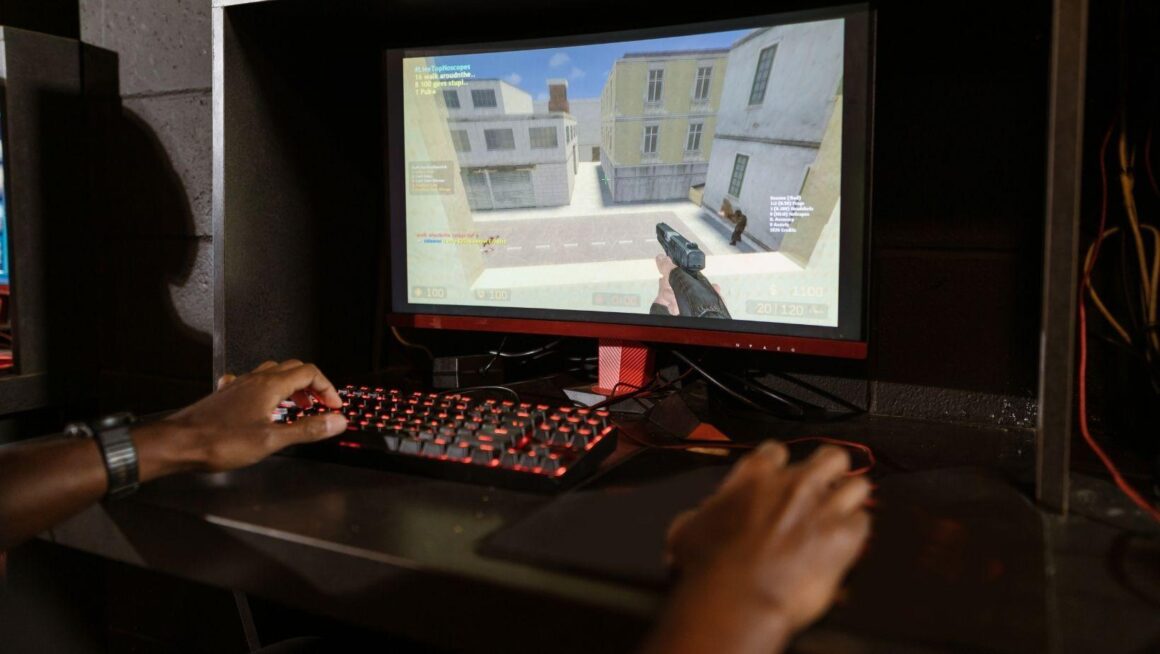
CS2 is no longer just a shooting game. Over the years, it has developed a huge in-game economy, with skins becoming one of its biggest attractions. Building a valuable inventory is about much more than buying expensive items. It requires smart decisions, patience, and an understanding of how the market works. In this guide, we'll walk you through the key strategies for building a strong CS2 inventory from the ground up. Ready to get started?
Best Items to Add to Your CS2 Inventory
Every great inventory starts with the right items. However, not every skin offers the same value, popularity, or long-term potential. Some categories are far more desirable than others, whether you care about appearance, trading, or investment. Let's begin by looking at the types of skins that deserve a place in your inventory.
Play Skins
A good inventory starts with skins you actually use. Weapons like the AK-47, AWP, M4A1-S, M4A4, and USP-S appear in almost every match, so skins for these guns usually attract consistent interest from other players. They are also easier to enjoy because you see them every time you play. Before buying expensive skins for less common weapons, consider whether they fit your playstyle. An inventory built around your most-used weapons is often more satisfying and easier to trade if your preferences change.
Knives and Gloves
Knives and gloves often define the overall look of a CS2 inventory. Since they remain visible throughout the match, they usually have a greater visual impact than any single weapon skin. Many players choose these items first and then build the rest of their loadout around them. A clean color match between a knife, gloves, and weapon skins can make even a modest inventory feel well planned. Thoughtful combinations often stand out more than simply owning the most expensive items.
Cases and Stickers
Cases and stickers are worth considering if you want an inventory with more variety. Cases are opened every day, reducing the number that remain in circulation, while stickers disappear permanently once they are applied to a weapon. These mechanics can influence availability over time. Instead of filling your inventory with only playable skins, keep a small portion in cases or limited stickers. This creates a better balance and gives you exposure to a different part of the CS2 economy.
How to Build a CS2 Inventory with Little or No Cost
Of course, choosing the right items is only part of the process. Many skins have become expensive over the years, making it difficult to build an inventory through direct purchases alone. Fortunately, there are several ways to acquire skins without spending a fortune. Here are some practical methods that can help you grow your inventory at a lower cost.
Trade Unused Skins
Many players have skins sitting in their inventories that they rarely use. Instead of leaving those items untouched, you can trade them for skins that better fit your preferences. A CS2 skin exchange allows both players to benefit without spending extra money. Even if the individual trades seem small, they can gradually improve the overall quality of your inventory. Many experienced traders build better loadouts through a series of well-planned exchanges rather than constant purchases.
Collect Weekly Drops
Prime players have the opportunity to receive weekly drops by earning enough experience through regular gameplay. These rewards can include cases, weapon skins, or other tradable items that become part of your inventory at no additional cost. Although most drops are not highly valuable on their own, they provide a steady source of new items. Over time, those rewards can be traded, sold, or combined with other skins to help build a stronger inventory.
Take Part in Giveaways
Many CS2 communities, tournament organizers, and content creators regularly host skin giveaways. The prizes vary from inexpensive weapon skins to higher-value items during special events. Entering several legitimate giveaways takes little effort and can occasionally lead to useful additions to your inventory. While winning is never guaranteed, participating consistently across trusted communities gives you more opportunities to obtain skins without spending money.
Tips for Growing Your CS2 Inventory
Building a strong inventory is not about owning the most expensive skins. Successful traders focus on timing, diversification, and making informed decisions instead of chasing every popular item. Here are a few strategies that can help you build your inventory more effectively.
Upgrade Step by Step
Many players try to transform their inventory with one expensive purchase, but steady progress usually produces better results. Replacing a $15 skin with a $25 one, then moving to a $40 item over time, is often easier than saving for a single $300 purchase. This approach also gives you more opportunities to trade and learn how the market works. Small upgrades reduce risk and make it easier to adjust your inventory as your preferences change.
Keep a Balanced Inventory
A well-built inventory should not consist of only one type of item. If everything you own is invested in knives or high-end skins, you have fewer options when you want to trade or sell part of your collection. Keeping a mix of play skins, cases, stickers, and higher-value items gives you greater flexibility. It also allows you to react more easily when different parts of the market become more active than others.
Review Your Inventory Regularly
Your inventory should change as the market changes. A skin that seemed like a good choice six months ago may no longer fit your goals or match current demand. Set aside time every few weeks to review what you own and ask whether each item still deserves a place in your inventory.
Conclusion
In this guide, we covered the complete process of building a CS2 skin inventory. We started by exploring which items are worth considering, then looked at practical ways to acquire them without overspending. Finally, we shared several strategies that experienced traders use to manage and grow their inventories over time. We hope these tips help you make better decisions, and we'll see you in our next guide.