

Sports fandom has become more analytical over the last few years. What used to be a simple debate about form, injuries, and home advantage now includes stat dashboards, tracking data, matchup models, and live probability tools. For readers who already follow gaming, hardware, and digital platforms, this shift feels familiar. Modern sports engagement increasingly looks like a blend of entertainment, data science, and interface design.
The most significant change is access. Fans no longer rely only on post-game commentary or basic box scores. Today, they can compare player efficiency, pace metrics, shot maps, and situational trends in real time. That makes following sports feel closer to managing a strategy game than passively watching a broadcast. The more information available, the more intriguing the decision-making becomes.
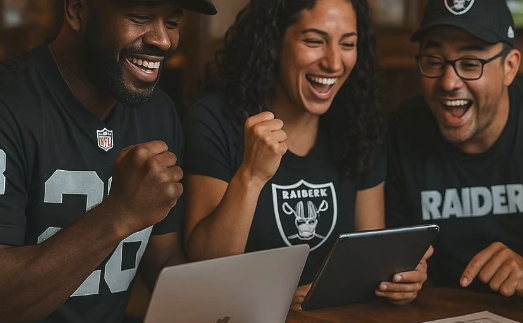
Figure 1 fan viewing live sports analytics on a laptop during a game
This is one reason digital sportsbooks have gained attention among numbers-first audiences. Many users are not drawn in by hype but by the appeal of comparing markets, reading odds movement, and testing their predictions against live information. Platforms covering online sports betting have become part of that broader ecosystem because they sit at the intersection of statistics, user experience, and sports culture.
What makes this trend especially relevant to Geek Force Network readers is the technology behind it. Odds feeds refresh in seconds. Mobile interfaces present dozens of markets without overwhelming the screen. Trending events surface through recommendation engines, while payment systems and identity checks streamline the experience. In many ways, the infrastructure resembles the same backend thinking that powers competitive gaming platforms and other real-time digital services.
Of course, good decision-making still matters more than flashy tools. Data can improve perspective, but it does not replace discipline or critical thinking. Smart users treat sports predictions as a research exercise: compare recent performance, weigh roster news, look at context, and avoid chasing narratives that sound better than they hold up statistically. That same mindset appears in Geek Force Network’s look at esports betting and fantasy leagues, where digital competition and structured analysis continue to overlap.
The larger story is not just about betting. It is about how fans interact with sports in a more technical way than ever before. As dashboards, apps, and predictive tools keep improving, the line between spectator, analyst, and strategist will continue to blur. For a generation raised on live data and interactive systems, that evolution feels less like a trend and more like the new default.