
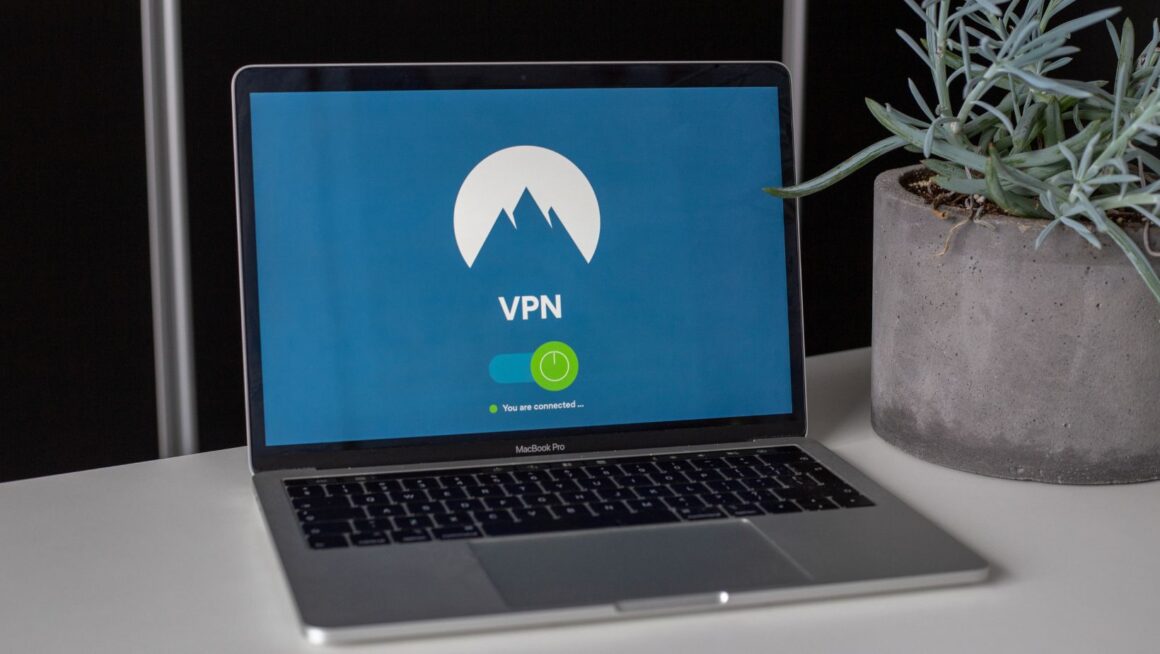
Gamers talk about VPNs the way people talk about cheat codes in older arcades. Half the claims drift through group chats with no evidence, while the other half come from small scraps of truth stretched into something bigger than they are. Some players swear that a VPN magically improves every match. Others claim it destroys ping or triggers bans the moment it connects. Sorting through the noise takes a bit of patience, mostly because gaming communities repeat the same ideas for years even after the tech has changed.
VPNs play a real role in modern gaming, but not always in the ways people imagine. They can help with privacy, occasional routing issues, and regional content restrictions, but none of these benefits exist as a universal guarantee. The details matter. Servers, encryption methods, ISP policies, and game rules all shape the outcome. This is why separating fact from fiction helps players understand what VPNs actually do instead of relying on hand-me-down assumptions.
The Myth Of Perfect Lag And Flawless Matchmaking
One of the longest-running myths says a VPN improves ping by default. The idea sounds tempting: click a button, pick a server, and enjoy instant speed. In practice, matchmaking stability depends on far more factors. Many ISPs already optimize traffic in ways that make VPN routing unnecessary for standard play. A VPN can occasionally fix strange throttling issues, but that happens in very narrow situations. Most of the time, if latency improves, it is because the VPN offers a cleaner path to the game server by coincidence, not because it has magic speed-boosting properties.
The opposite myth is also common. Some players claim that VPNs always ruin ping. Encryption does add overhead, but not enough to create disaster-level lag on its own. If the chosen VPN server sits close to the game’s data center, the connection can feel almost identical. The key lies in picking the right route, which is where trial and error still beats blind faith.
The Truth About Region Rules And Access
Players often turn to VPNs for regional access, especially when a game releases content at different times across the world.
Here the situation gets tricky. Some studios openly allow region switching; others restrict it for security or licensing reasons. Because of this, people researching their options sometimes take time to look into VPN friendly casinos to understand how various platforms handle verification and location checks.
That source notes that some sites accommodate VPN users by providing transparent rules around account approval and payouts, while others maintain stricter policies. The same tendency shows up across gaming as a whole: every platform governs access differently, and understanding those differences matters far more than assuming a VPN bypasses everything effortlessly.
Myth: VPNs Hide All Player Information
Many gamers believe a VPN completely erases their trail. This exaggeration ignores how games actually process identity. Most accounts tie purchases, saves, and anti-cheat data to the platform itself, not the IP address. A VPN shields the network layer, not the entire profile. Game companies still see account behavior, device identifiers, and server interactions. The VPN simply hides where the connection originates.
Some players mix this idea with another myth: that VPNs erase all risk from public Wi-Fi gaming. They do help by securing traffic, but they cannot protect against weak passwords, phishing attempts, or compromised devices. For people who travel often or play on shared networks, VPNs offer a safer channel, but not a full security suit.
How VPN Bans Actually Work
A common fear is that a single VPN connection triggers an automatic ban. Most bans do not work that way. Studios focus on account violations such as cheating, chargebacks, or botting. IP addresses play a supporting role only when they reveal patterns suggesting coordinated abuse. Millions of people share IP ranges across different VPN providers, and game companies know this. Blocking every VPN user would create chaos for legitimate customers.
Some publishers place softer restrictions instead. They may deny ranked queues, limit login attempts, or request additional verification. These measures target suspicious behavior, not VPN usage alone. A player who uses a VPN responsibly rarely sees issues unless the studio explicitly prohibits location masking.
Myth: VPNs Always Cause Server Mismatches
People often assume a VPN forces games into random foreign servers. This misunderstanding comes from titles that match players by IP region. Many modern games match by account location or selected region instead, which means the VPN never interferes. When mismatches do happen, they usually occur because the VPN server sits far from any supported region. Picking a closer endpoint keeps matchmaking predictable.
Understanding how routing affects gameplay helps in these cases. Data about global connectivity patterns shows how different network paths shape speed and reliability. These variations explain why some VPN locations feel smooth while others feel unplayable.
Where VPNs Genuinely Help
Players benefit from VPNs in a few grounded ways:
- Protecting data on public networks during gaming sessions
- Reducing odd throttling behavior for specific ISPs
- Accessing allowed regional content without exposing their location
- Lowering the chance of targeted DDoS attacks in competitive play
- Providing a stable route when certain servers struggle with congestion
These advantages depend on circumstances rather than universal rules. A VPN is a tool, not a guarantee, and picking the right moment to use it matters.
The Link Between Game Privacy And Online Habits
People often forget that privacy issues extend beyond matches themselves. Game launchers, storefronts, and online platforms track significant amounts of user behavior. VPNs help mask location data but cannot stop platforms from gathering analytics tied to logged-in accounts. This balance between privacy and convenience continues to evolve. Reports tracking how player attitudes shift as digital ecosystems become more intertwined.
Because of this, players should treat VPNs as part of a broader digital hygiene routine. Strong passwords, updated devices, secure emails, and good judgment carry as much weight as any encrypted tunnel.
Myths That Refuse To Disappear
Despite constant updates, a few misconceptions hold on:
- VPNs guarantee better performance in every match
- Game studios instantly ban all VPN activity
- Every region switch works flawlessly
- VPN encryption alone protects accounts
- Matchmaking always breaks with masked locations
Each of these claims mixes truth with exaggeration. They linger because gaming culture recycles old experiences and applies them to new systems without checking the details.